

Cybersecurity is critical for enterprises in South Asia because rapid digital transformation has significantly increased exposure to cyber threats such as ransomware, financial fraud, and infrastructure attacks. As organizations across Nepal, India, Bangladesh, and Sri Lanka adopt cloud platforms, digital payments, and connected systems, businesses must implement proactive security monitoring, regulatory compliance frameworks, and continuous threat detection to protect sensitive data and maintain operational stability.
Rising Cyber Threats Across South Asia
Cyberattacks are increasing across South Asian economies as digital infrastructure expands. According to multiple regional cybersecurity studies and enterprise surveys, businesses across Asia are experiencing a steady rise in data breaches, phishing campaigns, and ransomware attacks.
The IBM X-Force Threat Intelligence Index found that the Asia-Pacific region accounted for 34% of all cyber incidents investigated globally, making it the most targeted region for enterprise cyberattacks. In a 2025 cybersecurity readiness assessment conducted by Insight Technology across Nepal’s enterprise environments, over 60% of organizations lacked continuous security monitoring capabilities, highlighting the need for managed security services. Many reporting data loss incidents linked to cloud infrastructure, identity compromise, and supply chain vulnerabilities.
South Asia is particularly vulnerable because many organizations are still transitioning from traditional IT systems to cloud-based infrastructure without fully implementing cybersecurity essentials such as threat monitoring, endpoint protection, and network segmentation.
Enterprises that fail to adopt structured cybersecurity best practices risk operational disruption, reputational damage, and financial loss.
Financial Cybersecurity Risks for Businesses
One of the most targeted sectors in cybersecurity Asia is financial services. Banks, digital wallets, and fintech platforms process high volumes of sensitive data and financial transactions, making them prime targets for cybercriminals.
Enterprise security reports show that financial data breaches can cost companies millions in direct losses, regulatory penalties, and recovery expenses. In many South Asian markets, ransomware groups specifically target financial institutions and payment systems.
This makes financial cybersecurity a critical priority for enterprises that handle payment infrastructure, online banking systems, or digital commerce platforms.
Businesses in sectors such as banking, insurance, and fintech should implement specialized security frameworks that combine fraud detection, identity protection, and transaction monitoring.
Cybersecurity Laws and Regulatory Compliance
Governments across South Asia are strengthening cybersecurity law frameworks to protect digital infrastructure and sensitive data.
Countries in the region have introduced regulations related to cybersecurity. These regulations commonly address areas such as data protection and privacy laws, financial sector cybersecurity requirements, digital transaction security, and national cyber incident response frameworks.
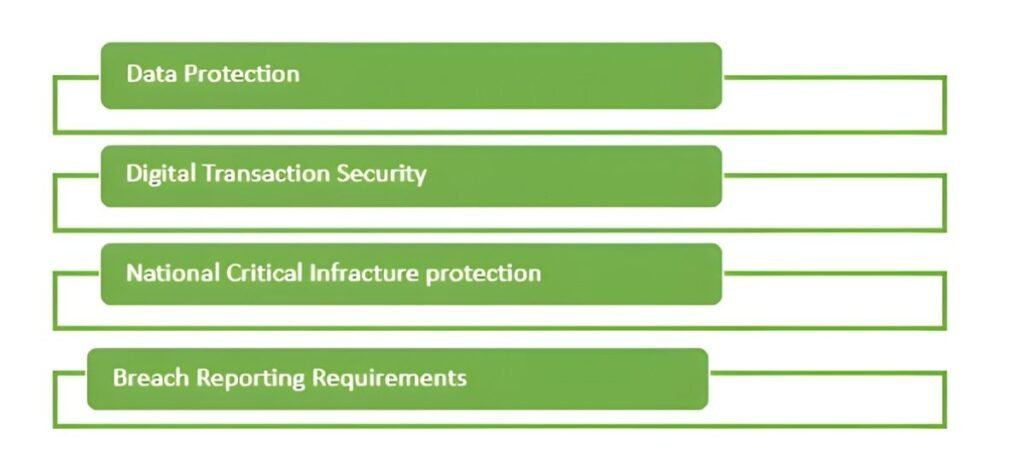
For enterprises operating in Nepal and the wider South Asian region, compliance with cybersecurity regulations is becoming increasingly important. Failure to meet regulatory standards can result in legal penalties, financial fines, and operational restrictions.
According to the World Economic Forum Global Cybersecurity Outlook, 72% of organizations globally reported an increase in cyber risks and security incidents, highlighting the growing pressure on enterprises to strengthen their security posture
Global Cybersecurity Index and Regional Readiness
The Global Cybersecurity Index (GCI) published by the International Telecommunication Union evaluates how prepared countries are to prevent and respond to cyber threats.
The index measures national cybersecurity capabilities across five areas:
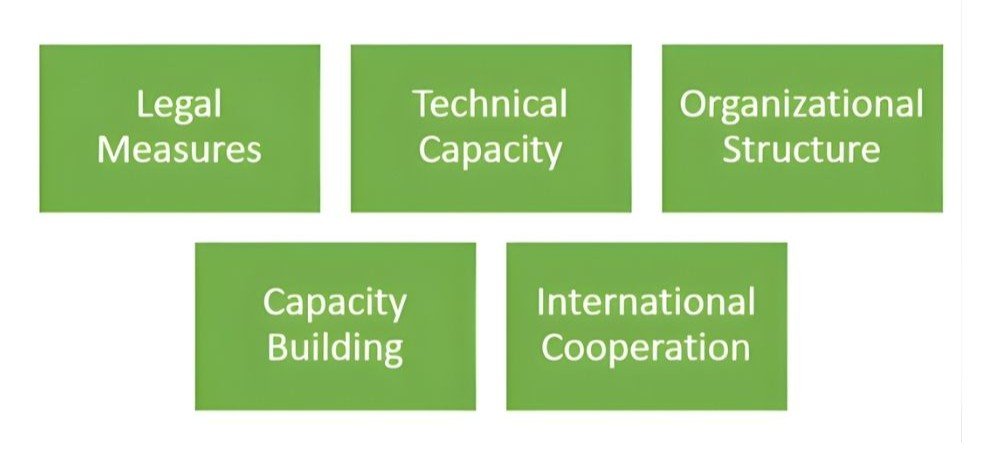
These pillars generally include legal frameworks, technical capabilities, organizational readiness, capacity development, and international cooperation. Together, these indicators measure how effectively a country can prevent, detect, and respond to cyber incidents.
While several South Asian countries are improving their rankings, cybersecurity maturity across the region still varies significantly. Many organizations rely on fragmented security systems rather than integrated cybersecurity frameworks.
This gap highlights the need for enterprises to strengthen internal security operations and work with experienced security experts.
Cybersecurity Best Practices for Enterprises
To protect digital infrastructure, enterprises in South Asia should implement structured cybersecurity best practices.
These best practices typically include regular vulnerability assessments, endpoint protection, network monitoring, identity and access management, employee cybersecurity awareness training, and incident response planning. Organizations should also implement strong data backup systems and security policies to reduce the impact of potential cyber incidents.
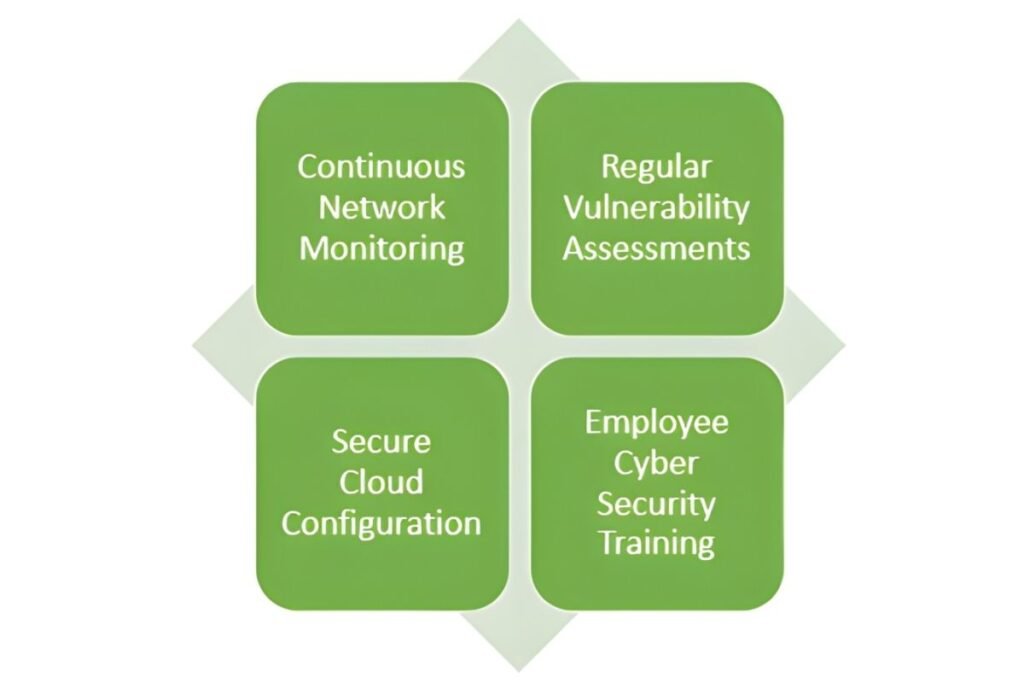
Regular security testing is particularly important for identifying vulnerabilities before attackers exploit them.
Enterprises should also establish proactive monitoring capabilities that detect threats in real time.
The Role of a Cybersecurity Service Provider
Many enterprises lack the internal resources required to manage complex cyber threats. Partnering with a trusted cybersecurity service provider allows organizations to implement advanced security frameworks without building large in-house teams.
Professional cybersecurity providers help businesses with:
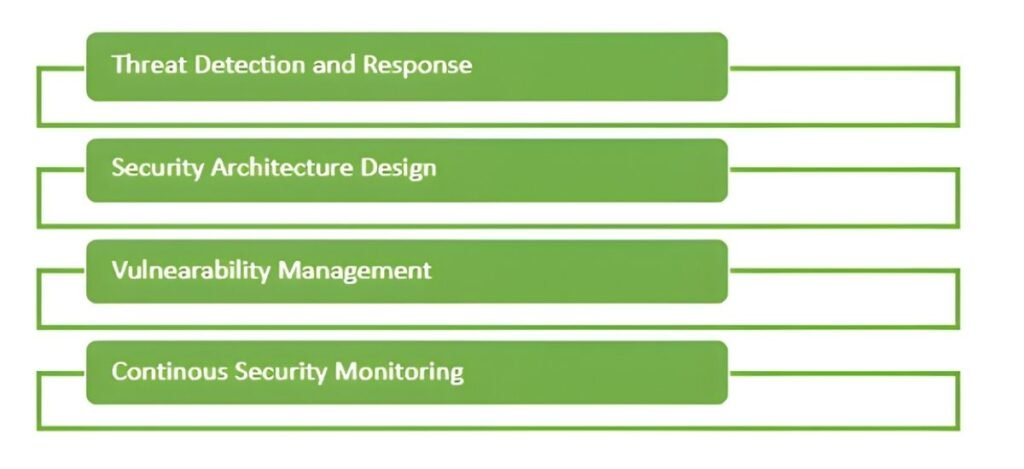
For companies operating in Nepal and the wider region, working with a specialized cybersecurity company in Nepal provides localized expertise in regulatory requirements, regional cyber threat patterns, and infrastructure security.
Strengthening Enterprise Cybersecurity in South Asia
As digital adoption accelerates across South Asia, cyber risks will continue to evolve. Enterprises must move beyond reactive security and adopt proactive strategies that integrate monitoring, testing, compliance, and risk management.
Organizations that invest in strong cybersecurity frameworks not only reduce risk but also build trust with customers, regulators, and partners.
For businesses operating in cybersecurity South Asia markets, cybersecurity is no longer optional—it is a strategic requirement for sustainable digital growth.