

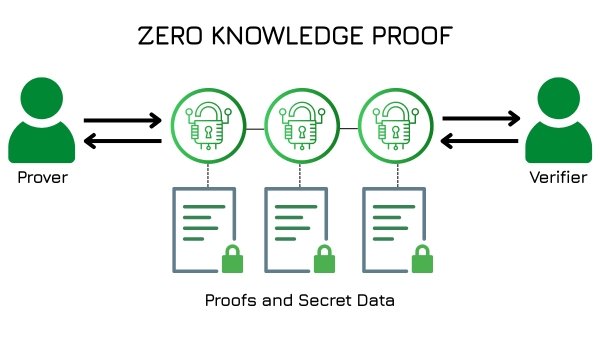
Zero Knowledge Proof is a privacy enhancing cryptographic method that is used to prove knowledge about a specific piece of data withouth revelaing the data as a whole
ZKPs allow a business to demonstrate that a transaction, identity, or policy check is correct, without revealing raw data such as keys, internal logic, or full records. This significantly reduces the risk surface: even if communications are intercepted, attackers gain no meaningful information because only proofs, not the data itself, are shared.
Zero Knowledge Proof is the cornerstone of blockchain security. In contrast to ordinary blockchains, which often require transparency of transaction details, ZKPs enable “confidential correctness”, the network can verify that rules are followed while the inputs remain private.
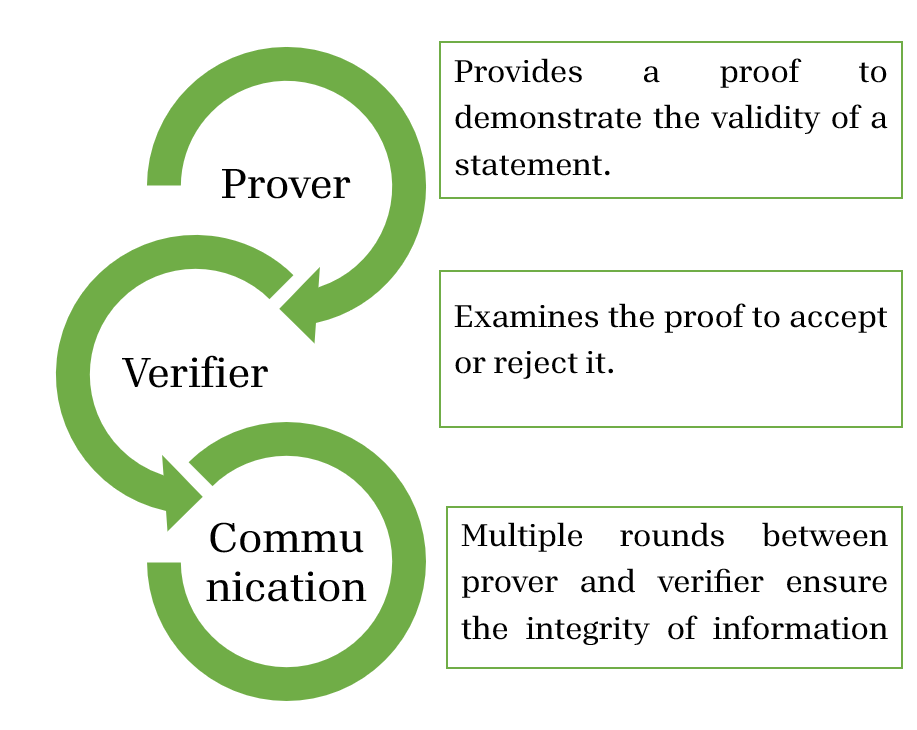
ZKP is composed of three things , a prover , a verifier and communication
Core Properties of ZKP
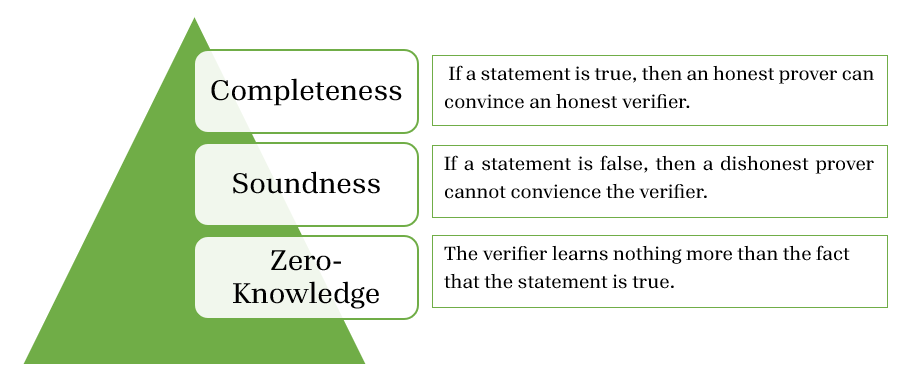
Zero-knowledge proofs (ZKPs) rely on three fundamental properties that ensure their reliability and security. The ZKP cycle is only completed if they meet the following critertia illustrated below:
WORKING MECHANISM OF ZKP
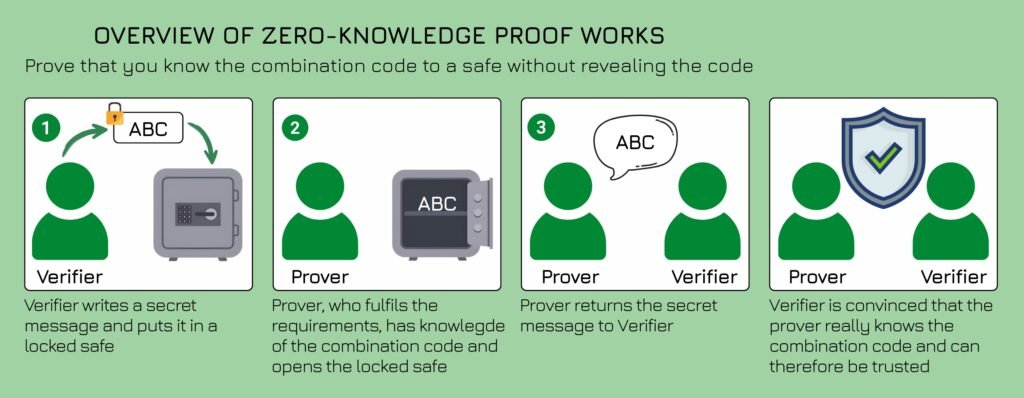
Zero-knowledge proofs (ZKPs) operate in two primary modes: interactive and non-interactive.
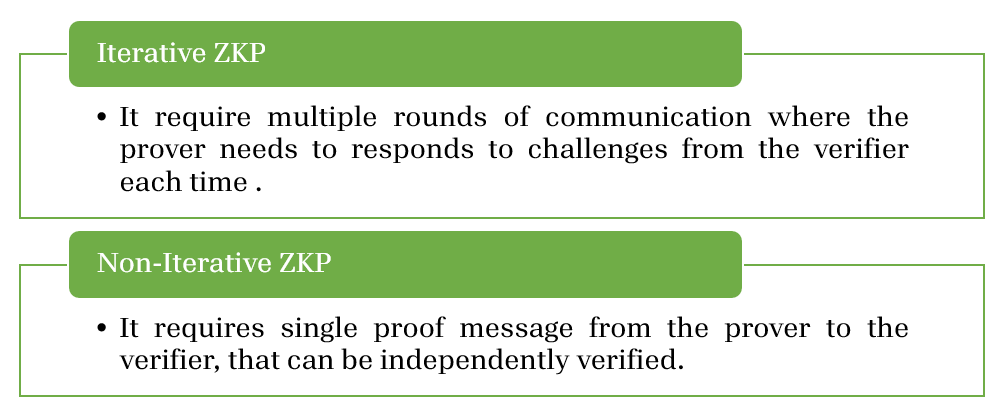
The verifier asks the prover to perform a series of actions that can only be performed if the person (prover) knows the information.
EXAMPLES OF ZKP
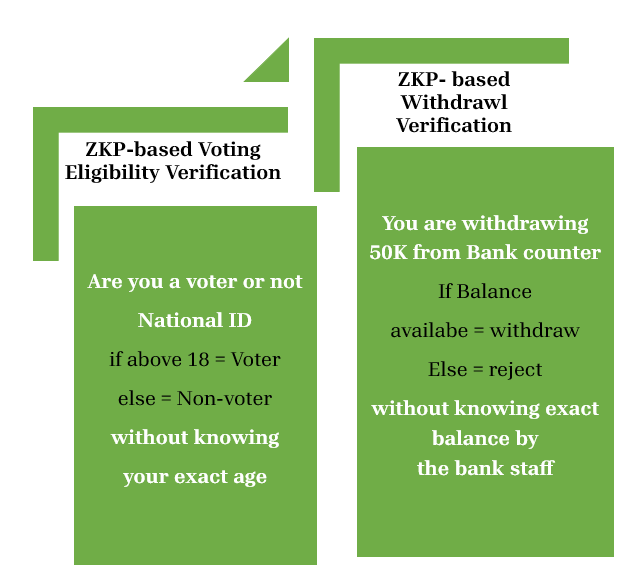
The few contrasting examples that leverages the exact essence of Zero Knowledge Proof are as follows :
IMPLEMENTATION METHODS OF ZKP
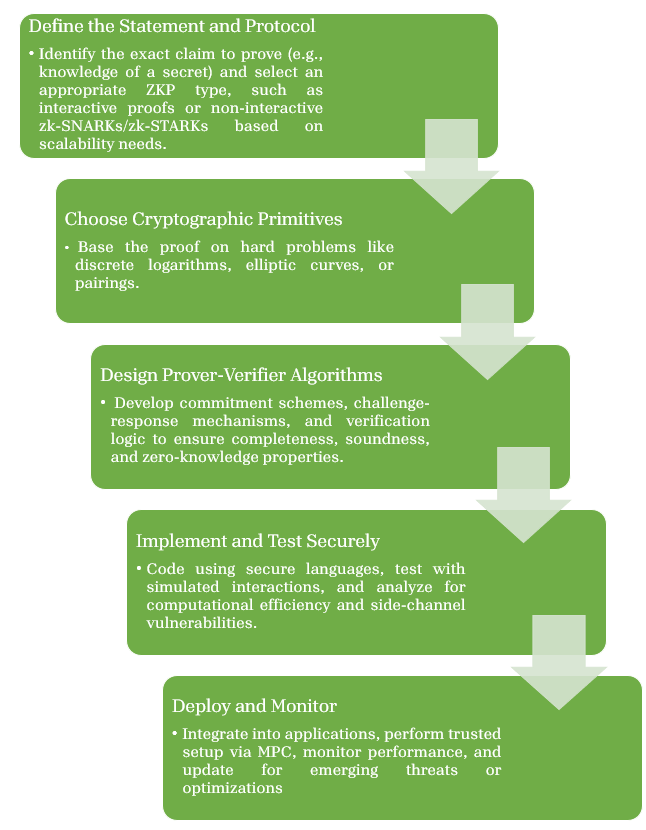
The implementation of zero-knowledge proofs (ZKPs) are provided below . The right implementation of it leverages specialized protocols and tailored for cryptographic efficiency and security.
Application and use cases of zkp
The ZKP has wide application , few of the use cases of them are as follows:









Types of Zero-Knowledge Proofs
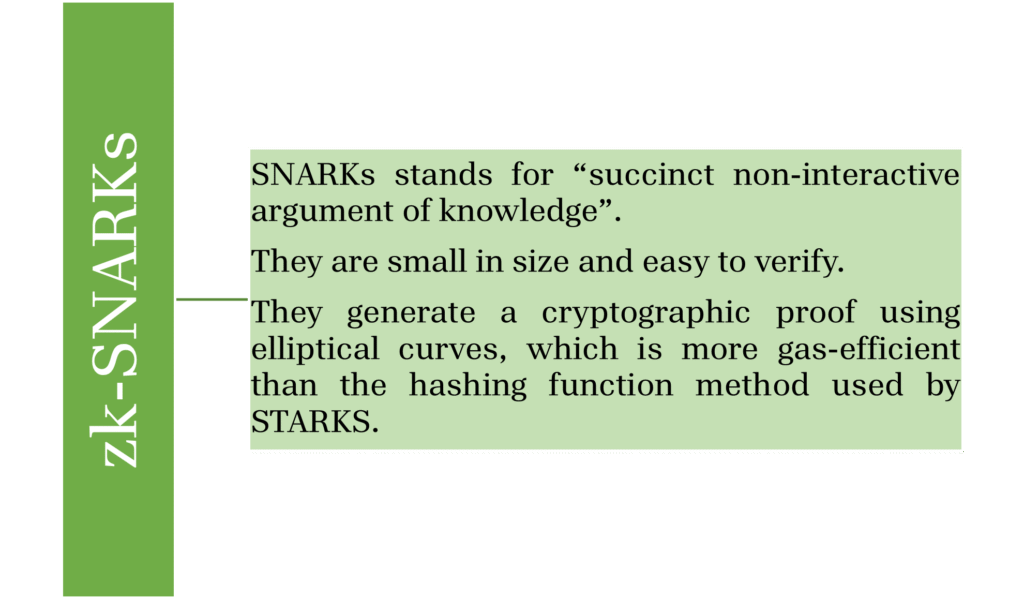
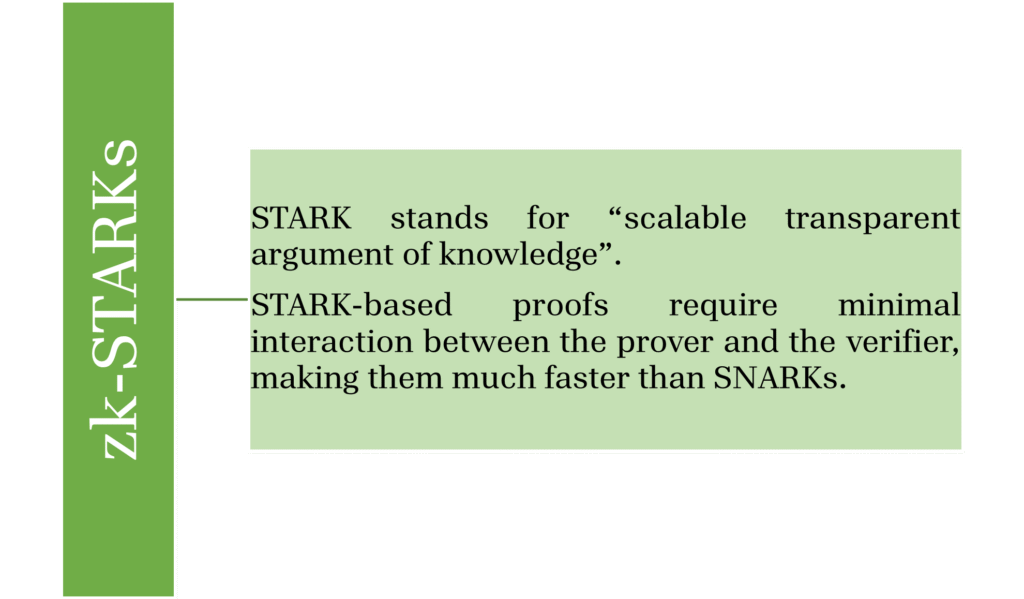
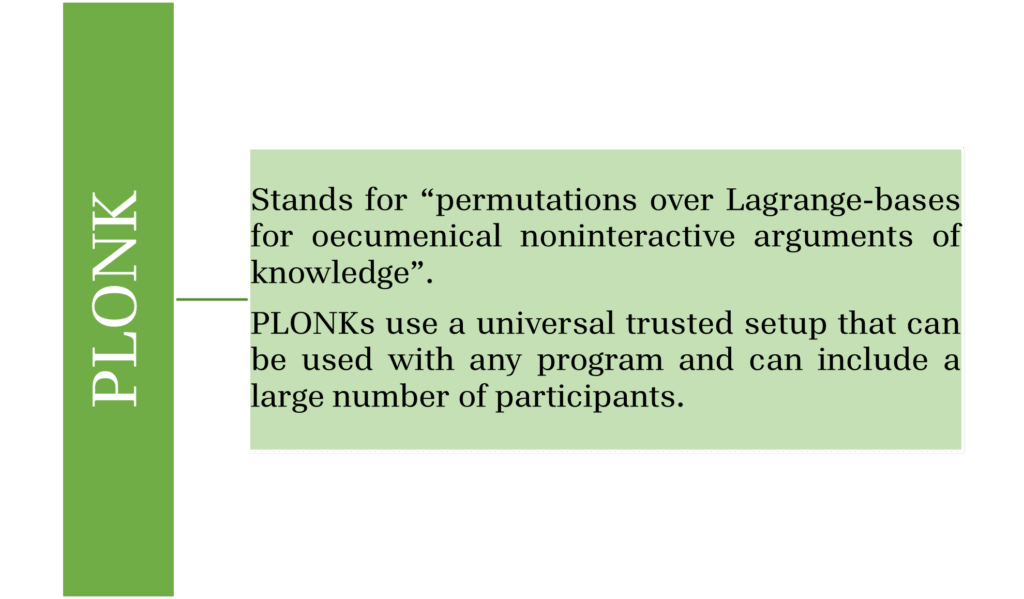
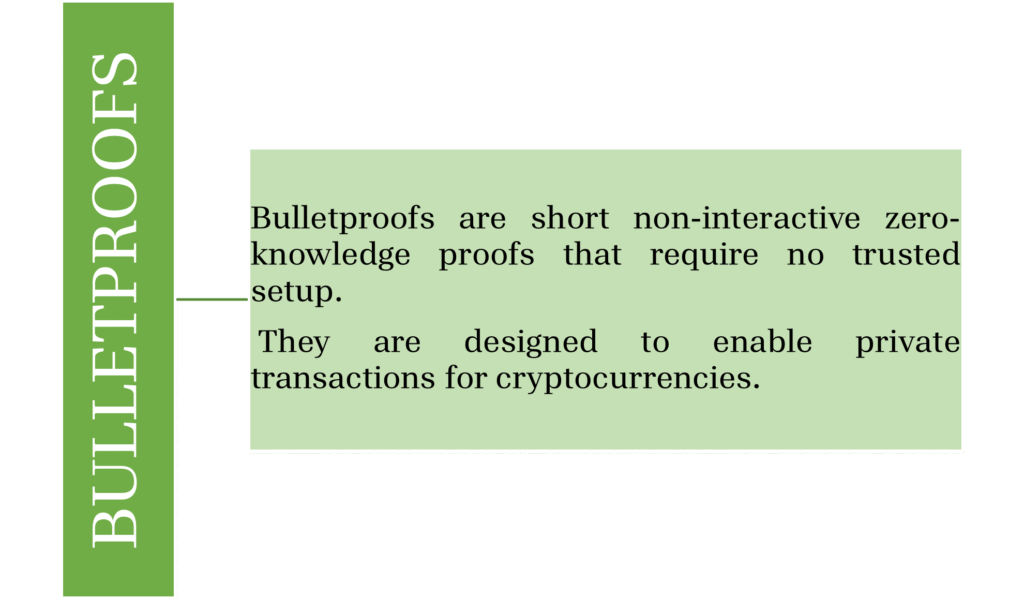
There are 4 different types of Zero Knowledge Proofs types , they are provided below:
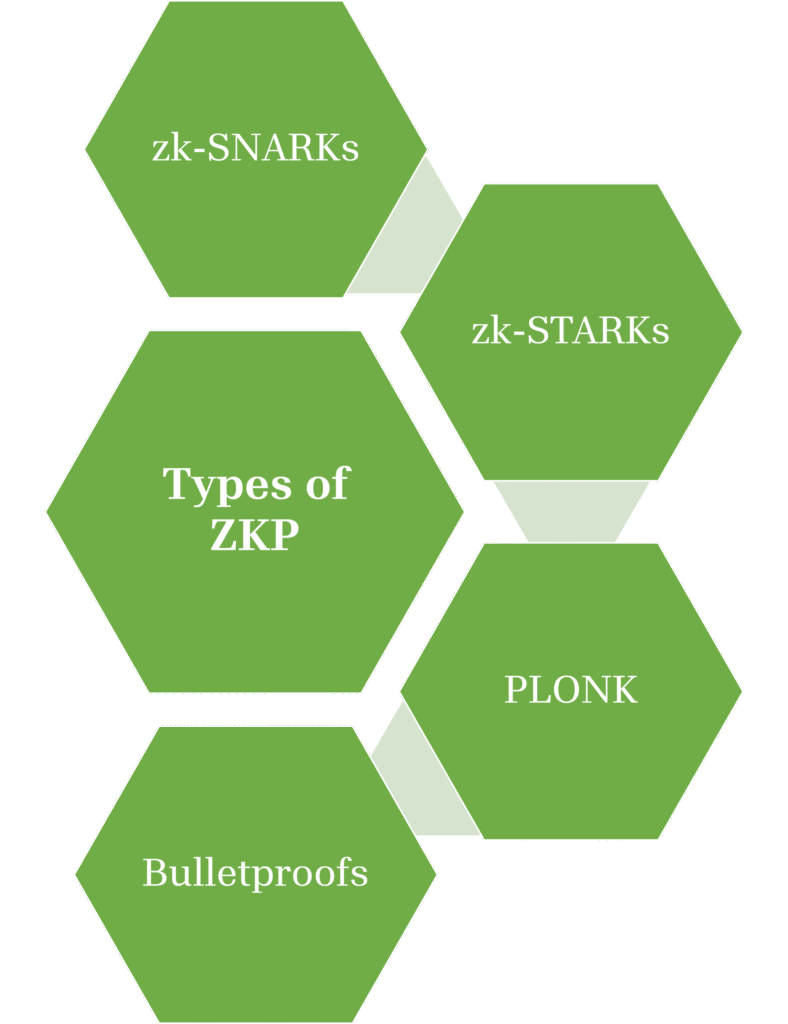
The 4 different types of ZKP are as explained below:
BENEFITS OF ZERO KNOWLEDGE PROOF
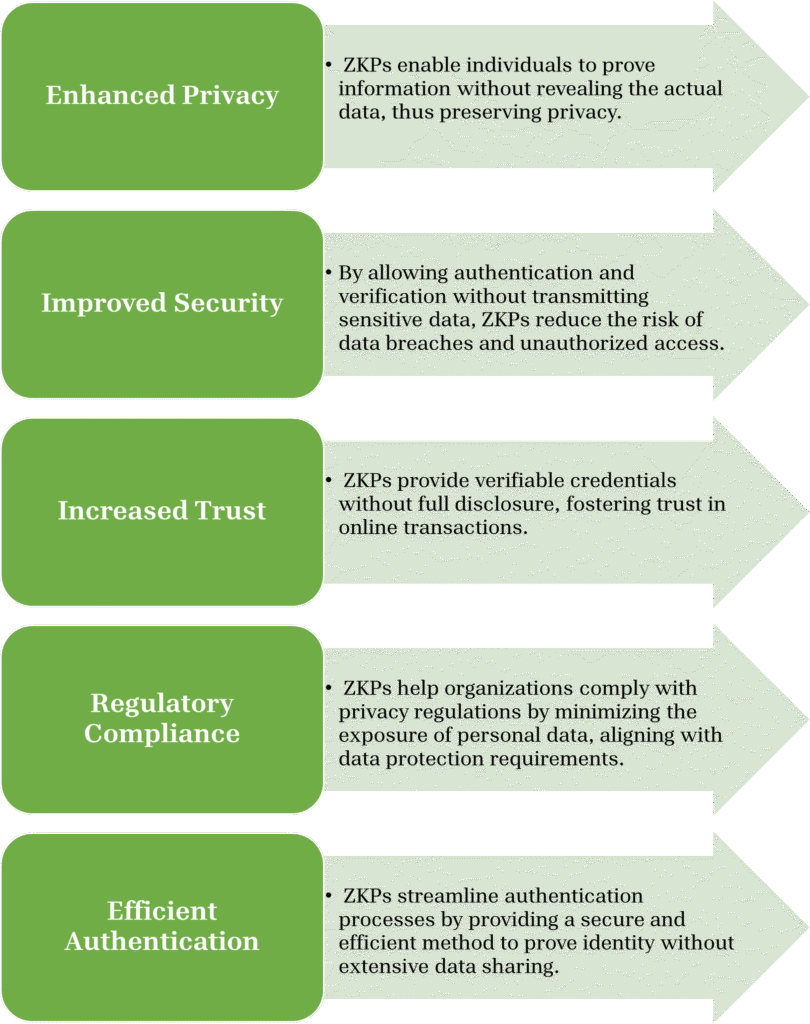
Zero-knowledge proofs (ZKPs) deliver transformative benefits in the following ways:
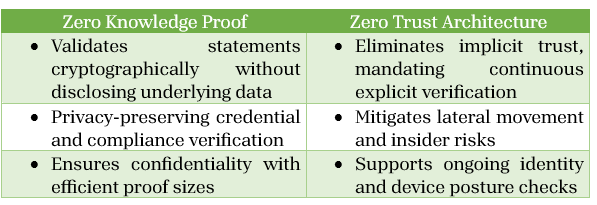
Zero Knowledge Proof VS Zero Trust Architecture
CONCLUSION
Zero-knowledge proofs (ZKPs) mark a transformative milestone in cryptography, delivering rigorous verification without exposing sensitive data, from interactive challenge-response protocols that uphold completeness, soundness, and zero-knowledge properties.
ZKP bridges the privacy and security, positioning them as essential for future digital ecosystems where data minimization and continuous validation redefine cybersecurity paradigms.